
Durham County Genealogy Research
Durham County is one of the younger counties in North Carolina. It was created on February 28, 1881, from parts of Orange and Wake Counties. The county was named for Dr. Bartlett Durham, who sold four acres of land that became the town of Durham. Because of its late formation, Durham County records begin in 1881. Earlier records for the same land and people are found in Orange and Wake Counties. Researchers benefit from strong local archives, university collections, and a well-organized Register of Deeds office in the city of Durham.
Durham County Quick Facts
Durham County Register of Deeds
The Durham County Register of Deeds maintains land records, vital records, and other documents. The office is at 200 East Main Street in Durham. Court and probate records also begin in 1881. There are no known courthouse disasters, so the record set is intact from the start.
Deed records from 1881 to 1984 are available online with images. You can search by grantor, grantee, or date. The images show the actual pages from the deed books. This is a valuable resource for researchers who cannot visit Durham in person. For deeds after 1984, contact the office or visit the Durham County Register of Deeds website.
| Office |
Durham County Register of Deeds 200 East Main Street Durham, NC 27707 Phone: (919) 560-0480 |
|---|---|
| Hours | Monday through Friday, 8:00 AM to 5:00 PM |
| Website | durhamcountync.gov/Register-of-Deeds |
Durham County Probate and Court Records
Probate records are essential for genealogy. They name heirs, describe property, and reveal family bonds. Durham County holds wills from 1875 to 1926. This range predates the county itself because some records were carried over from Orange County when Durham was formed. Probate records span 1881 to 1968. Widow's support records cover 1881 to 1944.
Wills often list children by name. They may also name sons-in-law, daughters-in-law, or grandchildren. Estate files can include inventories of personal property, accounts of sale, and final settlements. These details help build a picture of daily life. They also confirm family ties that census records alone cannot prove.
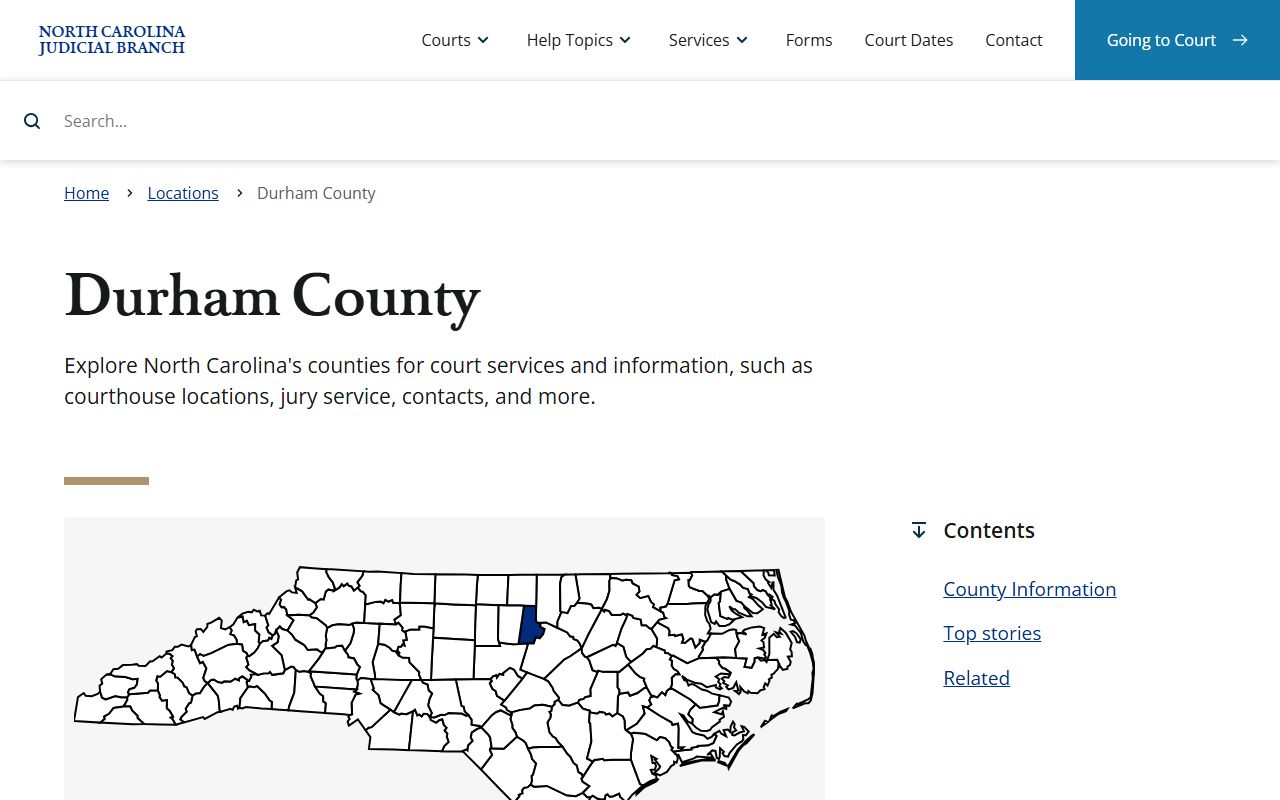
Court records from 1881 forward are at the Durham County courthouse. The North Carolina Judicial Branch provides information on court locations and services in Durham County.
Note: Because Durham County was formed from Orange and Wake Counties, researchers should check records in both parent counties for events before 1881. A family that lived in what is now Durham may have left wills, deeds, and court records in Orange or Wake.
Libraries and Archives in Durham County
Durham County has strong library and archive resources for genealogy. The NC Collection in the Durham County Library preserves local historical records. This collection includes city directories, maps, and published histories. It is a good first stop for background research on Durham families.
The Rebecca B. Wall Local History Collection at the library holds microfilm of Orange County records. Since Durham was part of Orange County before 1881, these microfilms are directly relevant to Durham County genealogy. They include deeds, court minutes, and other documents from the colonial and antebellum periods.
Duke University's Rubenstein Library is a major research archive. It holds rare books, manuscripts, and other materials spanning more than 20 centuries. The library is open to the public for on-site research. Its collections include personal papers, plantation records, and church records from across the Piedmont region. Visit library.duke.edu/rubenstein for hours and access policies.
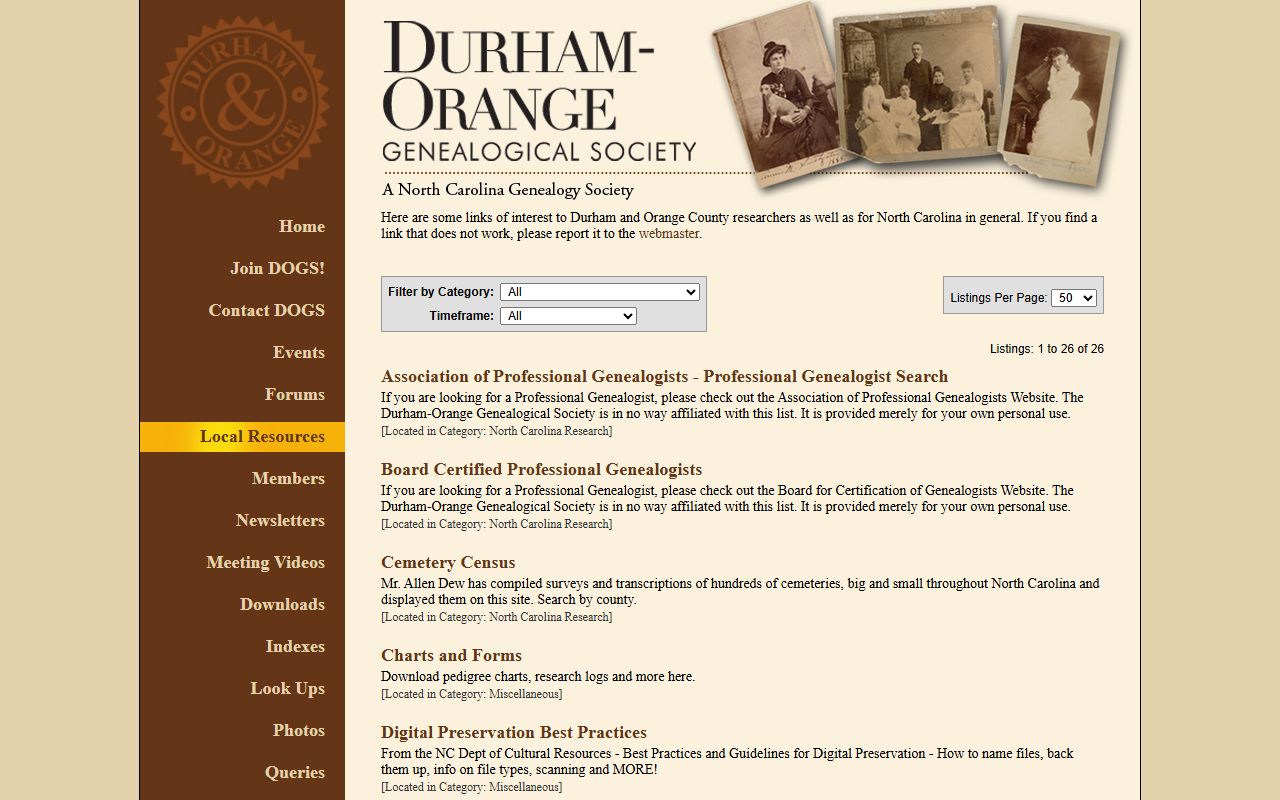
The Durham-Orange Genealogical Society links resources for researchers working in Durham and Orange Counties. The society maintains a list of local records, publications, and research guides. Membership is open to anyone with an interest in genealogy in the area.
African American Records in Durham County
Durham has a rich African American history. The city was once called the "Black Wall Street" for its thriving Black business district. Genealogy sources reflect this history. The Carolina Times, an African American newspaper, has over 400 issues from 1937 to 1950 digitized on DigitalNC. These papers cover local news, social events, church activities, and obituaries.
Obituaries are one of the best sources for family details. They name parents, siblings, children, and sometimes grandchildren. The Carolina Times is especially useful because it covered a community that was often left out of the mainstream press. Social columns note weddings, visitors, and church gatherings. All of these can place an ancestor in a time and place.
Note: Duke University's Rubenstein Library also holds materials related to African American history in Durham. Collections include records from Black churches, civic organizations, and businesses. Check the library's online finding aids for specific holdings.
Durham County Vital Records
The Durham County Register of Deeds issues birth, death, and marriage certificates. Birth and death records date from the early twentieth century. Marriage licenses are on file from 1881 forward. For certified copies, visit the Register of Deeds in person or submit a mail request.
Statewide vital records are also available from the North Carolina Office of Vital Records. The state holds birth and death records from 1913 and marriage records from 1962 for all counties. Visit vitalrecords.nc.gov for ordering information and current fees.
For earlier vital events, look to church records, family Bibles, and newspaper notices. Durham had many active churches by the late 1800s. Baptismal and burial records from these churches can fill gaps in the official record. Cemetery transcriptions are another source. Several local cemeteries have been indexed by volunteers and genealogical societies.
Strategies for Durham County Research
Durham County genealogy requires a clear plan. The county is young. Records go back only to 1881 under the Durham name. For earlier records, you must look in Orange County and Wake County. Know the boundary. The line between Orange and Durham has not changed since 1881. Use a map to see which side your ancestor's land fell on.
Start with deeds. The online deed images from 1881 to 1984 are free. Search for all known family surnames. Look at both the grantor and grantee indexes. A deed can reveal a sale, a gift, or a division among heirs. It may also reference an earlier deed or a will.
- Check Orange County records for any family event before 1881
- Search the Carolina Times on DigitalNC for African American families
- Use the Rubenstein Library at Duke for manuscript collections
- Contact the Durham-Orange Genealogical Society for local expertise
Probate records are a second key source. Wills from 1875 to 1926 are at the courthouse. Estate files from 1881 to 1968 include inventories, sale accounts, and guardian records. These documents name heirs and describe assets. They often provide details that no other source can match.
Do not overlook newspapers. The Durham County Library and DigitalNC both hold newspaper collections. Obituaries, marriage notices, and legal ads can all shed light on family connections. The Durham Morning Herald and the Durham Sun covered the city for decades. Back issues are on microfilm at the library.
Nearby Counties
These counties border Durham County. For ancestors who lived near the county line, records may appear in a neighboring county. Check Orange County first for any records before 1881.