
Yancey County Genealogy Records
Yancey County was created in 1833 from portions of Burke and Buncombe counties in the heart of the Black Mountains of western North Carolina. The county is home to Mount Mitchell, the highest peak in the Appalachian range, and the rugged terrain shaped the lives and record-keeping practices of the families who settled here. The county seat of Burnsville was named for Captain Otway Burns, a War of 1812 privateer celebrated for his service to the young nation. Yancey County itself was named for Bartlett Yancey, a United States Congressman and strong advocate for public education. Marriage, court, and land records at the courthouse in Burnsville date to 1834, and birth and death records begin in 1913.
Yancey County Quick Facts
Yancey County Formation and Mountain Settlement
The North Carolina General Assembly formed Yancey County in 1833 by combining sections of Burke County to the southeast and Buncombe County to the southwest. The new county encompassed some of the most mountainous terrain in the eastern United States, including the Black Mountain range with its peaks rising above 6,000 feet. Settlers who came to this area in the late 1700s and early 1800s were drawn by the abundance of game, timber, and unclaimed land in the remote valleys and coves of the region.
Burnsville was established as the county seat on a site near the center of the new county. The town was named for Captain Otway Burns, a North Carolina native who commanded the privateer Snapdragon during the War of 1812 and later served in the state legislature. A monument to Burns stands in the Burnsville town square. The town grew slowly, serving as the governmental and commercial hub for scattered farming communities spread across the mountain hollows and river bottoms of Yancey County.
Mitchell County was carved from Yancey County in 1861, during the first year of the Civil War. Researchers tracing families in what is now Mitchell County before 1861 should search the Yancey County records for that period. The division of the county during wartime added complexity to record-keeping, and some documents from the transition period may appear in either county's files.
Yancey County Register of Deeds Records
The Yancey County Register of Deeds maintains vital records, land transactions, and marriage documentation for the county. Marriage records begin in 1834, the first full year of the county's operation. Birth and death records are available from 1913 forward. Land deeds also date to 1834 and document the transfer of property in the mountain valleys and ridges of Yancey County.
The office is located at 110 Town Square in Burnsville. Staff can assist researchers with record searches and provide both plain and certified copies. Because of the rural nature of the county and the relatively small population, the records at the Yancey County Register of Deeds often cover the same interconnected families across many decades. This concentration of family records makes the office a productive place for genealogical research.
| Office |
Yancey County Register of Deeds 110 Town Square Burnsville, NC 28714 Phone: (828) 682-2122 |
|---|---|
| Hours | Monday through Friday, 8:00 AM to 5:00 PM |
| Website | yanceycountync.gov - Register of Deeds |
Burke and Buncombe County Records Before 1833
Because Yancey County was formed from Burke and Buncombe counties, genealogy records for the Yancey County area before 1833 are held by those two parent counties. Determining which parent county covered your ancestor's specific location is essential for pre-formation research. Families in the eastern part of what became Yancey County would have been under Burke County jurisdiction, while those in the western portion fell under Buncombe County.
Burke County records go back to 1777, and Buncombe County records begin in 1792. Both counties hold marriage bonds, land deeds, court minutes, wills, and estate files that may name Yancey County ancestors. Land grants issued by the state of North Carolina to early settlers in the mountain region are recorded in the state land grant files and can be searched through the North Carolina State Archives. These grants assigned unpatented land to settlers and often predate the formation of the county where the land was located.
Going further back, Burke County was formed from Rowan County in 1777. Researchers tracing Yancey County families into the mid-1700s may need to consult Rowan County records. This chain of parent counties is a standard pattern in North Carolina genealogy, and understanding it is key to thorough research in the western mountains.
Yancey County Marriage Records and Bonds
Marriage records in Yancey County begin in 1834 and include both early marriage bonds and later marriage licenses. Marriage bonds from the 1830s through 1868 name the groom, the bondsman who guaranteed the legality of the union, and sometimes the bride's father or guardian. These bonds are valuable for connecting families in the early years of the county. After 1868, North Carolina replaced the bond system with marriage licenses that recorded more personal details, including ages, birthplaces, occupations, and parents' names for both parties.
In a small mountain county like Yancey, marriage patterns often reveal closely knit communities where a few large families intermarried over multiple generations. Tracking these connections through the marriage records can help researchers identify collateral lines and extended family networks. The NCGenWeb Yancey County project provides volunteer-compiled indexes and transcriptions of some marriage records, offering a free starting point for research before visiting the courthouse.
Yancey County Land and Property Records
Land records in Yancey County date to 1834 and reflect the distinctive geography of the Black Mountains region. Property descriptions in early deeds reference mountain ridges, creek forks, and rock formations that served as boundary markers. Because the terrain limited the amount of farmable land, family holdings in Yancey County were often smaller than those in the Piedmont or Coastal Plain. Deeds of gift from parents to children were common as families divided their mountain acreage among heirs.
The Yadkin River's headwaters rise in Yancey County, and the South Toe and Cane rivers flow through the county's valleys. These waterways appear frequently in property descriptions and helped define the communities scattered along the river bottoms. Mill sites along these creeks were valuable properties, and deeds transferring mill rights or water rights provide insight into the local economy. The Yancey County Historical Society has documented many of the county's historic communities and can help researchers place their ancestors within the landscape.
Yancey County Court and Estate Records
Court records in Yancey County begin in 1834 and encompass civil proceedings, criminal cases, estate settlements, and guardianship appointments. The Clerk of Superior Court in Burnsville maintains these records. Wills filed in Yancey County name heirs and describe the division of property, which in the mountain context often meant specific parcels of land identified by natural features rather than surveyed lots.
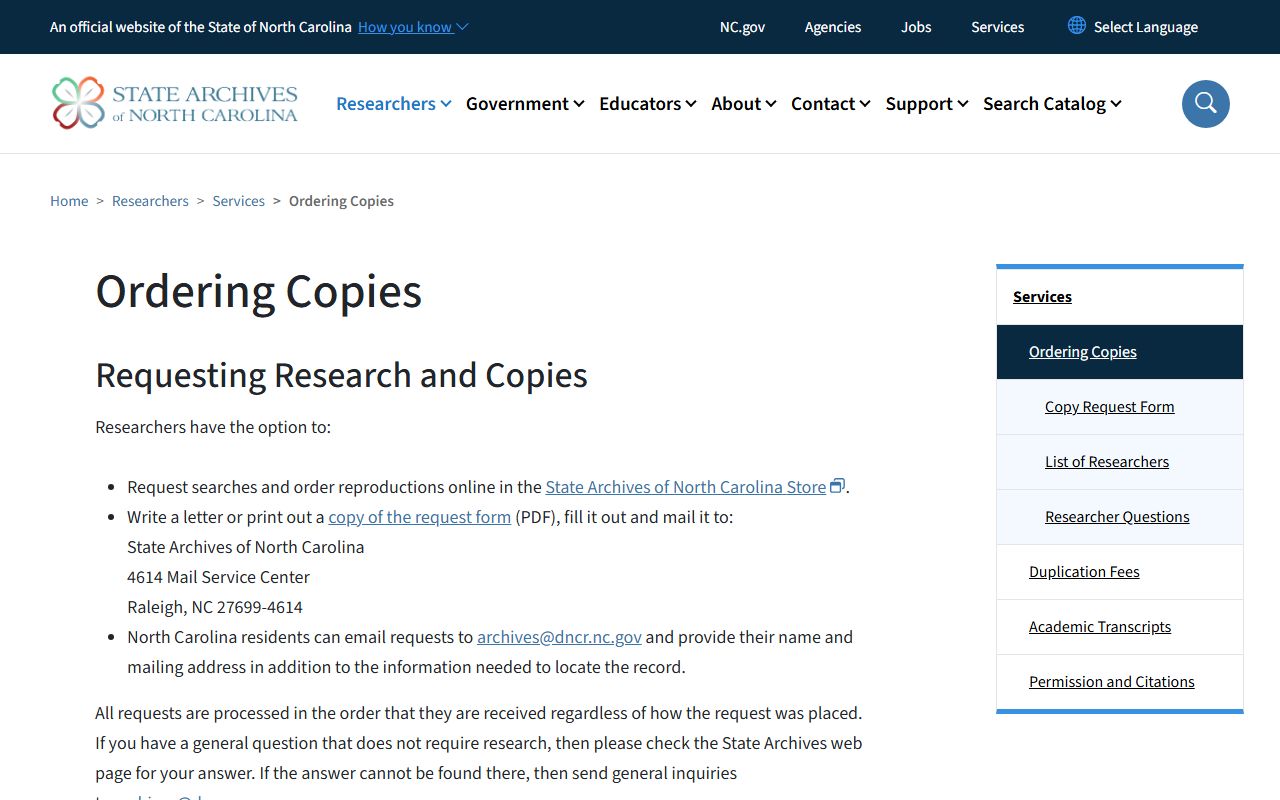
Estate inventories from Yancey County paint a picture of mountain life in the nineteenth century. They list livestock, farm tools, household furnishings, and sometimes items specific to the mountain economy such as bee stands, apple brandy, and hand-crafted goods. Guardianship records are important for tracing orphaned children, as the court named a guardian and often identified the deceased parent. These records are held at the courthouse in Burnsville and are also available on microfilm at the North Carolina State Archives in Raleigh.
Yancey County Birth and Death Records
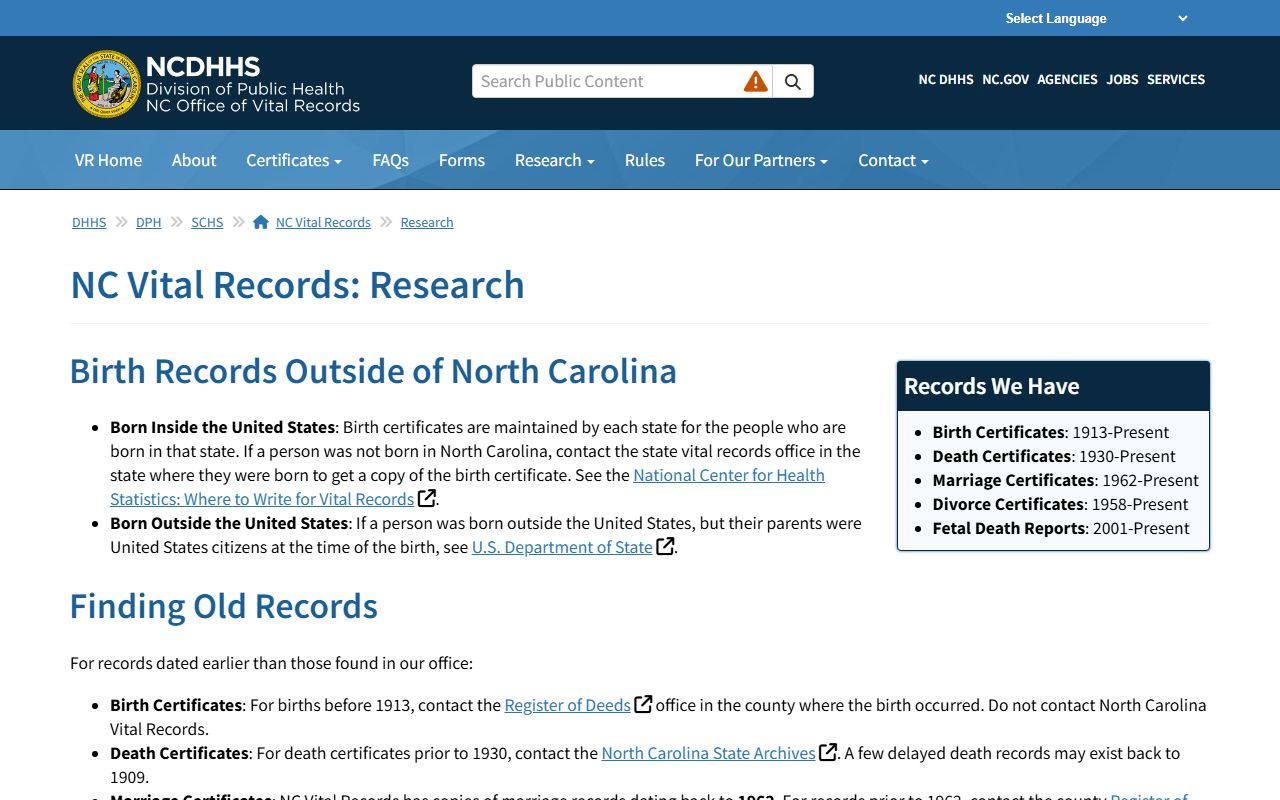
Statewide registration of births and deaths in North Carolina began in 1913, and Yancey County records from that date forward are available at the Register of Deeds office in Burnsville. The North Carolina Vital Records office in Raleigh is another option for obtaining certified copies. Birth records older than 100 years are public. More recent records carry access restrictions.
Before 1913, vital event information in Yancey County must be gathered from alternative sources. Church records are particularly important in the mountain counties, where Baptist, Presbyterian, and Methodist congregations kept registers of baptisms, marriages, and burials. Cemetery transcriptions from the many family and church cemeteries scattered across the mountains preserve death dates and family groupings. The Amos and Carol Pardue Welcome Center and History Museum in Burnsville holds materials related to Yancey County's cultural heritage that can supplement official records.
Yancey County Civil War and Military Records
The Civil War deeply divided mountain communities in western North Carolina, and Yancey County was no exception. The county's remote location and small-farm economy meant that few residents owned enslaved people, and sentiments were split between Confederate and Union sympathies. Men from Yancey County served in both Confederate regiments and Union units recruited from the mountain region. Pension applications, muster rolls, and service records for soldiers from both sides are available through the National Archives and through online databases such as Fold3.
Earlier military records also exist for Yancey County families. War of 1812 service records and pension files may name men who later settled in the area. Revolutionary War pension applications from Burke and Buncombe County veterans sometimes describe families who ended up in the Yancey County area after the county was formed. These federal military records contain detailed personal and family information that can fill significant gaps in civilian record collections.
Genealogy Research Strategies for Yancey County
Start your Yancey County research by identifying the time period and the type of record most likely to hold the information you need. For ancestors before 1913, concentrate on marriage bonds, land deeds, court minutes, wills, and estate files at the courthouse in Burnsville. For the twentieth century, birth and death certificates become the primary sources. The Register of Deeds and Clerk of Superior Court in Burnsville hold the original documents for Yancey County.
Remember that Mitchell County was formed from Yancey County in 1861. If your ancestor lived in the area that became Mitchell County, check Yancey County records for the period before 1861. Similarly, records for the Yancey County area before 1833 will be found in Burke County or Buncombe County, depending on the location. The NCGenWeb Yancey County page provides free indexes, transcriptions, and research guidance compiled by volunteers. The North Carolina State Archives in Raleigh holds microfilm copies of many Yancey County records that can also be accessed through interlibrary loan at participating libraries.
Nearby Counties
These counties border Yancey County in the Black Mountains region. Mountain families frequently had connections across county lines through marriage, trade, and church attendance. If your ancestors lived near a Yancey County boundary, check these neighboring counties for additional records.