
Buncombe County Mountain Genealogy
Buncombe County sits in the heart of western North Carolina, surrounded by the Blue Ridge Mountains. Created in 1791 from Burke and Rutherford counties, it was named for Colonel Edward Buncombe, who was captured at the Battle of Germantown during the Revolutionary War. The county seat is Asheville, which grew into a major resort destination in the late 1800s. Buncombe County records begin in 1792 and cover court proceedings, land transfers, and probate matters from the earliest days of mountain settlement.
Buncombe County Quick Facts
Buncombe County Register of Deeds
The Buncombe County Register of Deeds operates from the courthouse at 60 Court Plaza in Asheville. This office records and maintains marriage licenses, land deeds, birth and death certificates, and other public documents. The phone number is 828-259-3300.
Marriage records for Buncombe County begin in 1830. Land and court records start earlier, from 1792. Probate records also date to 1792. Unlike many North Carolina counties, Buncombe did not suffer a major courthouse fire, so the record chain is largely intact from the beginning. This gives genealogists a continuous body of evidence stretching over two centuries.
The Buncombe County Register of Deeds website provides information about available records, search tools, and fees for copies.
| Office |
Buncombe County Register of Deeds 60 Court Plaza Asheville, NC 28801 Phone: (828) 259-3300 |
|---|---|
| Hours | Monday through Friday, 8:00 AM to 5:00 PM |
| Website | buncombecounty.org/RegisterOfDeeds |
Western Archives for Buncombe County Genealogy
The Western Regional Archives in Asheville is a branch of the NC State Archives. It houses records from the western counties, including Buncombe. This facility holds original documents, microfilm, and finding aids that cover court records, wills, deeds, and tax lists from across the mountain region.
Having a regional archives in Asheville is a real advantage for Buncombe County genealogy researchers. You can view original county records, state records, and manuscript collections without traveling to Raleigh. The staff can guide you to the right record group and help you read old handwriting. The archives also holds some church records, business papers, and family collections donated by local residents over the years.
The image below shows resources from the State Library and Archives that support genealogy research across North Carolina, including the western region.
The Thomas Wolfe Collection is housed in part at the Western Regional Archives. Wolfe, the famous novelist, grew up in Asheville and drew heavily on local people and places for his fiction. His papers and related materials can offer a window into early 1900s Asheville life for genealogy researchers studying that period.
Note: The Western Regional Archives is open to the public and does not charge a research fee, but hours may vary so call ahead before visiting.
Buncombe County Vital Records
Birth and death records in Buncombe County begin in 1913. Marriage records start in 1830. The Register of Deeds holds marriage licenses and can provide copies. For birth and death certificates, use the NC Vital Records office.
Marriage bonds from the 1830s through the 1860s are a strong genealogy source. Each bond names the groom, bride, and bondsman. In mountain communities, the bondsman was almost always a close relative. Identifying the bondsman can point you toward the bride's family, which is often harder to trace than the groom's.
Before 1913, other sources fill the gap for births and deaths. Mountain churches, especially Baptist and Methodist congregations, kept registers of baptisms and burials. Family bibles recorded births, marriages, and deaths at home. Some of these bibles have been transcribed and published by local genealogy societies. Newspaper obituaries from the Asheville area also provide family details from the late 1800s forward.
Buncombe County Land Genealogy Records
Land records in Buncombe County date to 1792. The earliest deeds document the transfer of mountain land along the French Broad and Swannanoa rivers. These early settlers came from eastern North Carolina, Virginia, and other states, drawn by cheap land and fertile river valleys. Land grants issued by the state opened up the western territory, and Buncombe County was one of the first mountain counties to be settled.
Mountain land records have distinctive features. Property descriptions use ridge lines, creek forks, and rock outcrops instead of the flat-land markers found in eastern counties. These descriptions can help you locate the exact piece of land an ancestor owned. Old survey plats, when they survive, are especially useful for mapping family landholdings.
Court records from 1792 cover a range of proceedings. Apprenticeship bonds placed orphaned children with local tradesmen and name the child, the master, and sometimes the deceased parent. Road orders list the men living along a particular road who were required to maintain it. These lists function like a neighborhood census and can place your ancestor in a specific location within Buncombe County.
- Land grants from the 1790s document first settlers
- Deed books record sales and family transfers
- Apprenticeship bonds name orphans and guardians
- Road orders list residents by neighborhood
- Probate records from 1792 include wills and inventories
Buncombe County Cemetery Genealogy
Riverside Cemetery in Asheville is the most well-known burial ground in Buncombe County. It holds the graves of Thomas Wolfe, Zebulon Vance (Civil War governor of North Carolina), and many other notable figures. Beyond these famous names, the cemetery contains graves of ordinary Asheville families stretching back to the mid-1800s.
Smaller cemeteries dot the mountain hollows and ridges of Buncombe County. Family cemeteries on private land hold some of the oldest burials. Church cemeteries attached to rural congregations have been in use for over two hundred years. Volunteers and local groups have surveyed many of these burial grounds and recorded the headstone inscriptions.
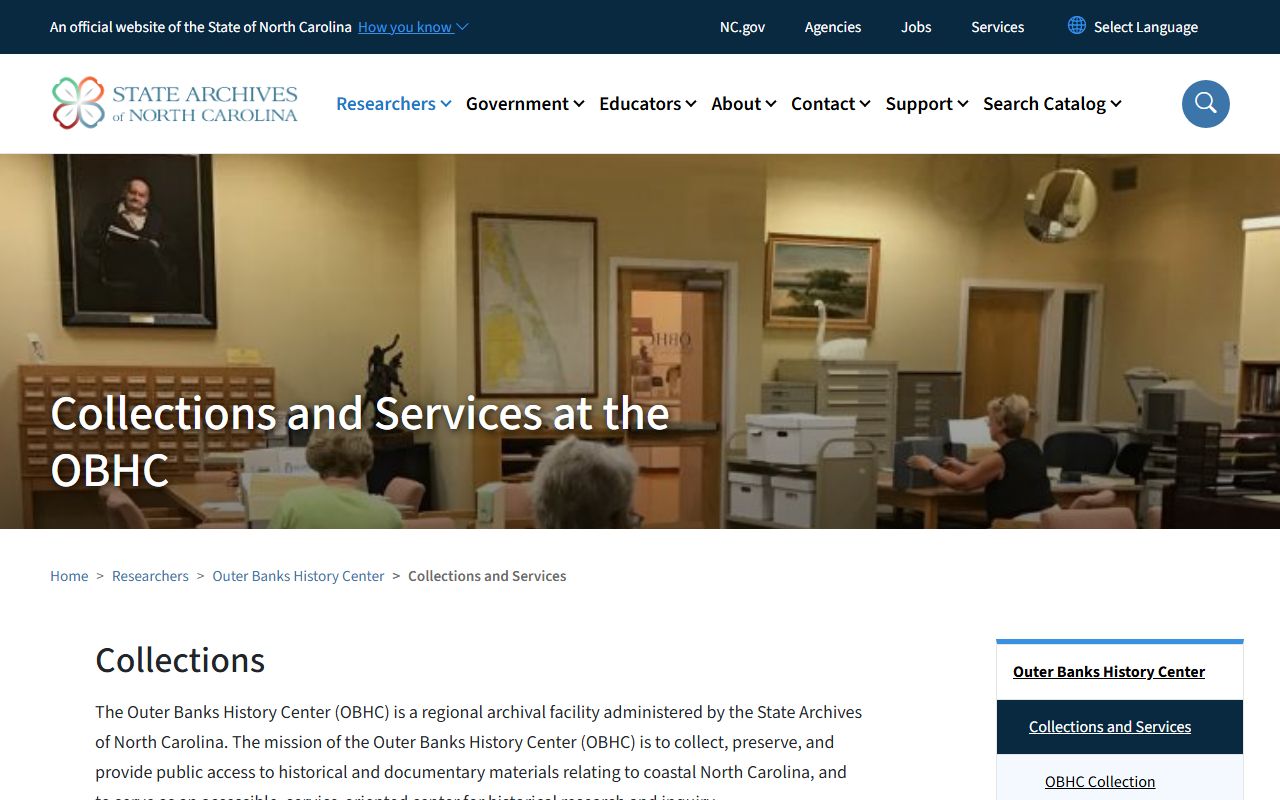
The image below shows additional state archives resources that can help with Buncombe County genealogy research.
The Biltmore Estate, built by George Vanderbilt in the 1890s, employed hundreds of local residents. Employee records, if they survive, can provide genealogy information for families who worked on the estate. The estate's construction and operation brought workers from across the region and transformed the Asheville area.
Note: Riverside Cemetery is open to the public, and the city of Asheville maintains burial records that can be searched by name.
Researching Buncombe County Genealogy
Mountain genealogy has its own patterns. Families in Buncombe County often lived in remote hollows and coves. They may not appear in every census or tax list. Check multiple record types to confirm their presence. A family that does not show up in the census may appear on a tax list or in a deed book the same year.
The DigitalNC website has digitized newspapers from the Asheville area. The Asheville Citizen and other publications carry obituaries, marriage notices, and community news from the late 1800s forward. Searching these papers by surname can turn up family details not found in official records.
Federal census records for Buncombe County start with the 1800 census. The county was too new for the 1790 count. However, the 1790 census for Burke County may include people who would soon be in Buncombe, since Buncombe was formed from Burke in 1791. Tax lists and early deed books can bridge the gap between the county's formation and the first census.
Nearby Counties
These counties surround Buncombe County in the western mountains. Mountain families moved frequently across county lines, and relatives often settled in neighboring valleys. Checking adjacent county records is essential for thorough Buncombe County genealogy research.