
Cumberland County Fayetteville Genealogy
Cumberland County was formed in 1754 from Bladen County. It is named for the Duke of Cumberland, the son of King George II. Fayetteville is the county seat. The city was once called Campbellton and was later renamed for the Marquis de Lafayette. Cumberland County has no known courthouse disasters, which means its records are well preserved. Genealogy records here include marriage files from 1800, land deeds from 1752, and court records from 1755. With a 2010 population of 319,431, it is one of the larger counties in the state.
Cumberland County Quick Facts
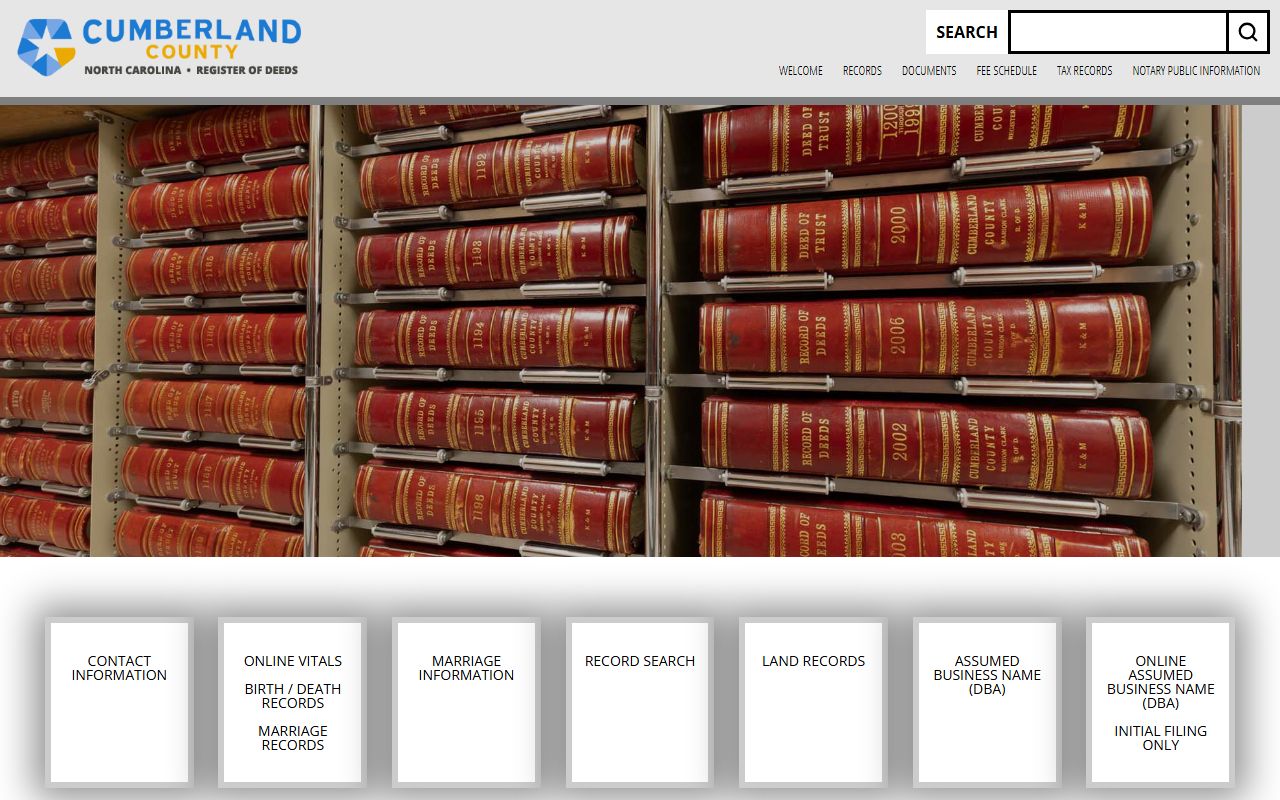
Cumberland County Register of Deeds
The Register of Deeds in Fayetteville manages all genealogy records for Cumberland County. This office holds marriage licenses, land deeds, and vital records. Staff can assist with record searches. The office is on Dick Street in downtown Fayetteville.
Cumberland County has avoided major courthouse fires or floods. This is a real advantage for genealogy work. The records are intact and well kept. Land deeds start in 1752, even before the county was officially formed. Court records begin in 1755. Probate files go back to 1757. Marriage records start in 1800. Birth and death records begin in 1913 with statewide registration.
| Office |
Cumberland County Register of Deeds 117 Dick Street Fayetteville, NC 28301 Phone: (910) 678-2900 |
|---|---|
| Hours | Monday through Friday, 8:00 AM to 5:00 PM |
| Website | cumberlandcountync.gov/rod |
Cumberland County Marriage Genealogy
Marriage records in Cumberland County date from 1800. Early bonds name the groom and a bondsman. The bondsman was often a male relative of the bride. This link helps connect families. After 1868, North Carolina moved to marriage licenses. These licenses list both parties, their ages, birthplaces, and parents' names.
Highland Scots settled in the Cape Fear region in large numbers during the mid-1700s. Their marriage records often appear in church files before they show up in civil records. Presbyterian church registers from this period can supplement what the county holds.
The DigitalNC collection hosts digitized newspapers from Cumberland County. These papers published marriage notices, death notices, and estate sale ads. They are free to search and can fill gaps in official records.
Land Records in Cumberland County
Land records in Cumberland County begin in 1752. Early grants placed settlers along the Cape Fear River and its branches. These grants list the name, acreage, and location by creek or natural feature. Deeds that follow the grants track how property passed from one family to the next.
You can search land records at the Register of Deeds by grantor or grantee. This lets you trace all transactions tied to a surname. A father selling land to a son, or a widow deeding property to her children, reveals family structure that other records may not show.
Fayetteville grew as a trade center on the Cape Fear River. Property near the river and along trade routes changed hands often. Deeds from the late 1700s and early 1800s place families in specific spots within the county. These records help confirm census data and church records.
Note: Cumberland County land records form an unbroken chain from 1752 to the present, a rare advantage in North Carolina.
Military Genealogy in Cumberland
Cumberland County has strong military ties. Fayetteville has been a military center for more than two centuries. Fort Bragg, one of the largest military posts in the world, sits partly in the county. Soldiers stationed at Fort Bragg often appear in Cumberland County records through marriages, births, and property transactions.
During the Civil War, the Fayetteville Arsenal was a key facility for the Confederacy. Records from this period include muster rolls, enlistment papers, and hospital records. Many soldiers married local women and settled in Cumberland County after the war. These military records can fill gaps in family trees.
Scottish Highlanders who settled along the Cape Fear served in both the colonial militia and the Revolutionary War. Some were Loyalists. Pension records and land bounty grants from this era may help identify ancestors who lived in what is now Cumberland County.
Cumberland Probate Genealogy Records
Probate records in Cumberland County start in 1757. Wills name heirs and divide property. Estate inventories list personal goods and debts. Guardian bonds identify minor children. These records are key for building family trees, especially before census records become reliable.
Court records begin in 1755. Early court minutes include land disputes, debt cases, and apprenticeship bonds. Apprenticeship records name the child, the master, and a parent. Orphan court records serve a similar purpose and help trace families with few other paper trails.
Birth and Death Records
Birth and death records in Cumberland County begin in 1913 with statewide registration. For earlier vital events, check church registers, family Bibles, and cemetery records. African American families may also find records in Freedmen's Bureau files for the post-Civil War period.
To order a birth or death record from Cumberland County, visit the Register of Deeds in Fayetteville or use the state vital records portal at vitalrecords.nc.gov. The state office in Raleigh handles mail and online requests.
- Birth records from 1913 to present at Register of Deeds
- Death records from 1913 to present at Register of Deeds
- Earlier records in church and cemetery files
- State vital records office for statewide searches
Note: Certified birth records in North Carolina are restricted. Only the person named, a parent, or a legal representative can request a certified copy.
Cumberland Genealogy Research Tips
Begin at the DigitalNC portal for Cumberland County. This free resource has newspapers, photos, and documents from across the county. Local newspapers ran marriage and death notices that name family members and provide dates.
The North Carolina State Archives in Raleigh holds supplemental Cumberland County records. Tax lists from the late 1700s name heads of household. Militia rolls list men of military age. Both record types fill gaps between census years and help confirm who lived in the county.
Scottish Highland families are well documented in Cumberland County. Gaelic-language church records and family traditions add depth to the official record. Several published works cover Highland Scots migration to the Cape Fear. Check local libraries and historical society collections for these sources.
Nearby Counties
These counties border Cumberland County. If your ancestors lived near a county line, check records in neighboring counties as well. Boundaries changed over time, and families often had connections on both sides.