
Halifax County Genealogy Research
Halifax County is one of the most historically significant counties in North Carolina for genealogy research. Created in 1758 from Edgecombe County, it was named for the Earl of Halifax. The county seat is the town of Halifax, where the famous Halifax Resolves were adopted on April 12, 1776. Land records here reach back to 1732, well before the county was formally established. Researchers will find court records from 1759, marriage records from 1825, and vital records from 1913 across several archives and offices.
Halifax County Quick Facts
Halifax County Register of Deeds
The Halifax County Register of Deeds serves as the main repository for vital and land records in the county. Birth and death certificates are on file from 1913 onward. Marriage licenses date back to 1825. Land records stretch to 1732, making them some of the oldest in the state. The office is located at 357 Ferrell Lane in Halifax and handles requests both in person and by mail. Staff can assist with searches if you provide names and approximate dates for the records you need.
For older records, the North Carolina State Archives in Raleigh holds most Halifax County materials from before 1930. This includes early court minutes, estate files, tax lists, and other documents that did not stay in the county. Researchers working on colonial or antebellum families should plan to visit or contact the State Archives for these older genealogy files. Many of these records have been microfilmed, so you can also access them through interlibrary loan at some locations.
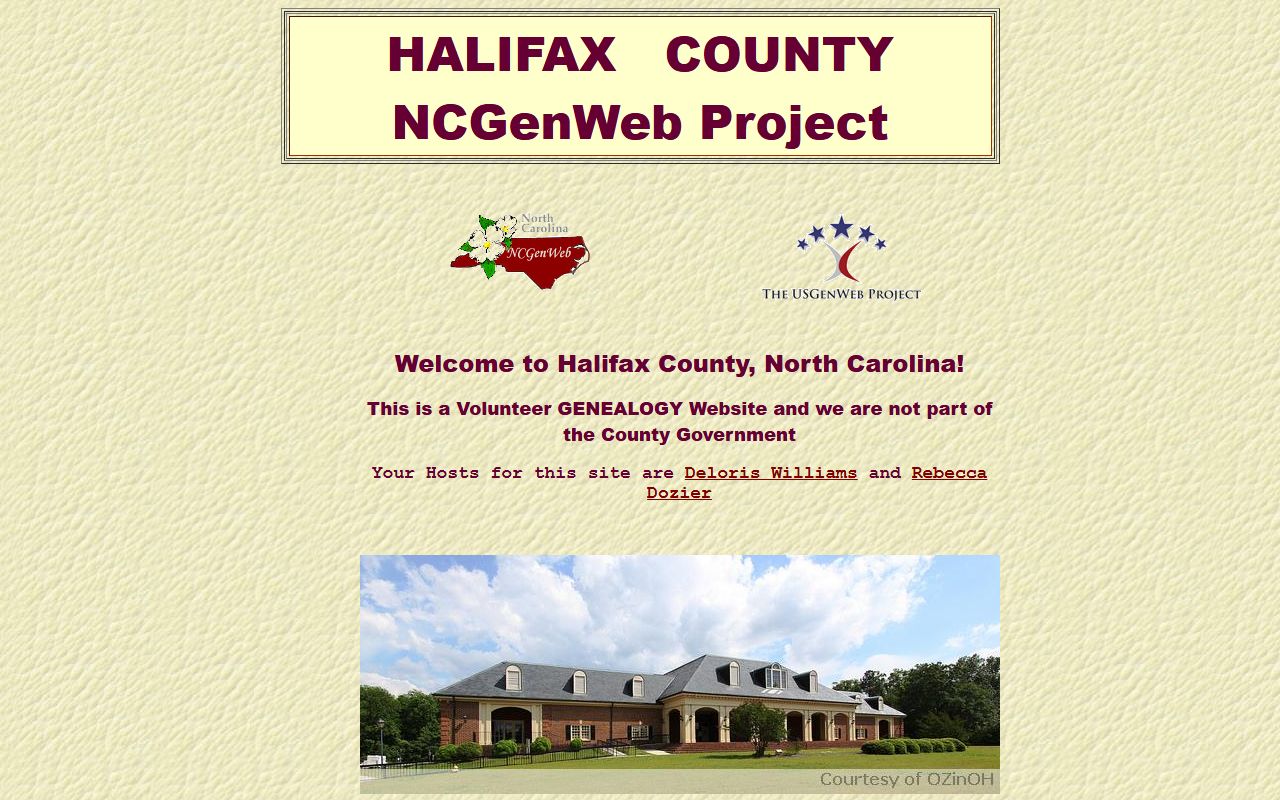
| Office |
Halifax County Register of Deeds 357 Ferrell Lane Halifax, NC 27839 |
|---|---|
| Records | Birth (1913), Marriage (1825), Death (1913), Land (1732) |
| Website | halifaxcounty.gov/departments/register-of-deeds |
Halifax County Court Records
Court records in Halifax County begin in 1759, just one year after the county was formed. These files cover civil suits, criminal cases, guardianship proceedings, and apprenticeship bonds. For genealogy purposes, court minutes and case files often name family members, neighbors, and associates in ways that other records do not. Estate divisions heard in court can reveal the names of heirs, spouses, and minor children. Disputes over land boundaries frequently list adjoining property owners, which helps place families in a geographic context.
The Clerk of Superior Court holds more recent court files. Older court materials are at the North Carolina State Archives. Some of these early records have been transcribed by volunteers and posted on genealogy websites. The Halifax County NCGenWeb page is a good place to look for free transcriptions and abstracts of court records.
Note: Court records from the colonial period may reference families who later moved to counties formed from Halifax, such as Warren, Nash, and Edgecombe.
Halifax Resolves and Historical Records
On April 12, 1776, delegates meeting in Halifax adopted the Halifax Resolves. This was the first official action by any colony calling for independence from Britain. The event put Halifax County at the center of American revolutionary history. For genealogy researchers, the period around the Revolution produced a wealth of records. Military muster rolls, pension applications, land bounty warrants, and loyalty oaths all survive from this era and can help trace Halifax County ancestors.
Historic Halifax State Historic Site preserves several buildings from the colonial and federal periods. The site includes the Owens House, the Eagle Tavern, and a clerk's office that once held county records. Visiting this site can give researchers a sense of the world their ancestors lived in. The Historic Halifax website has information on the site and its programs.
Many prominent colonial families held land in Halifax County. Their records appear in deed books, court minutes, and legislative journals. Tax lists from the late 1700s name heads of household and can serve as a rough census for years when no federal census was taken. These lists are especially useful for the period between 1776 and 1790.
Marriage Records in Halifax County
Marriage records in Halifax County start in 1825. Early entries include marriage bonds, which name the groom, the bride, and a bondsman. The bondsman was often a close relative of the bride, so these records can reveal family connections. From 1868 forward, the state required formal marriage licenses. These later records include more details such as ages, birthplaces, and parents' names.
Researchers looking for marriages before 1825 may find references in church records, estate files, or court documents. Some early marriages were recorded in the parent county of Edgecombe. The North Carolina Vital Records office maintains statewide marriage indexes and can issue copies for events from 1962 to the present.
Halifax County Birth and Death Records
Statewide vital registration began in North Carolina in October 1913. Halifax County birth and death certificates start from that date. The Register of Deeds can issue certified copies of these records. For events before 1913, researchers must turn to other sources. Family Bibles, church baptism records, cemetery headstones, and newspaper obituaries can all fill gaps in the vital record collection.
Delayed birth certificates exist for some Halifax County residents who were born before 1913 but filed proof of birth at a later date. These delayed filings often contain affidavits from family members or friends who could attest to the birth details. They can be a valuable find for genealogy work.
Note: The State Archives holds some early church registers from Halifax County congregations that include baptism and burial entries predating 1913.
Land and Property Records in Halifax
Halifax County land records date to 1732, making them among the oldest in the state. These early records predate the county itself and were carried forward when Halifax was formed from Edgecombe County. Deeds, grants, and plats show who owned land, when it changed hands, and who the neighbors were. For genealogy, land records are often the most reliable way to track a family across time.
Colonial land grants in Halifax County were issued by the Lords Proprietors and later by the Crown. After independence, the state took over the grant process. Many of these original grants are indexed at the North Carolina State Archives. The Halifax County Register of Deeds holds the deed books that record transfers between private parties. Chain of title research can connect multiple generations of a family through their property transactions.
Gift deeds between family members are common in Halifax County records. A father deeding land to a son or a widow receiving her dower share can confirm family relationships. These documents sometimes list all children by name, which makes them as useful as a will for genealogy purposes.
Online Genealogy Resources for Halifax
Several websites offer free access to Halifax County genealogy records and research tools. The NCGenWeb Halifax County page hosts transcribed records, lookup volunteers, and links to other resources. FamilySearch has microfilmed many Halifax County records, including deeds, court minutes, and estate files. You can search their catalog and order films to view at a local FamilySearch center.
Census records provide a snapshot of Halifax County families every ten years. Federal census records from 1790 through 1950 are available on Ancestry and FamilySearch. The 1790 census for Halifax County is one of the earliest available in North Carolina. It lists heads of household only, but it can confirm that a family was present in the county at that time. Later census years add details like ages, birthplaces, occupations, and literacy.
Nearby Counties
Halifax County borders several other counties in northeastern North Carolina. If your ancestors lived near the county line, their records may appear in a neighboring county. County boundaries shifted over time as new counties were formed from older ones.