
Davie County Mocksville Genealogy
Davie County was created in 1836 from Rowan County. It is named for William R. Davie, who served as Governor of North Carolina from 1798 to 1799 and helped found the University of North Carolina. Mocksville is the county seat. The county has a rural, agricultural character and sits in the Piedmont Triad region. Davie County has no known courthouse disasters, so records are well preserved. Land deeds go back to 1792, and probate files start in 1837. The Davie County Historical and Genealogical Society is an active resource for family research.
Davie County Quick Facts
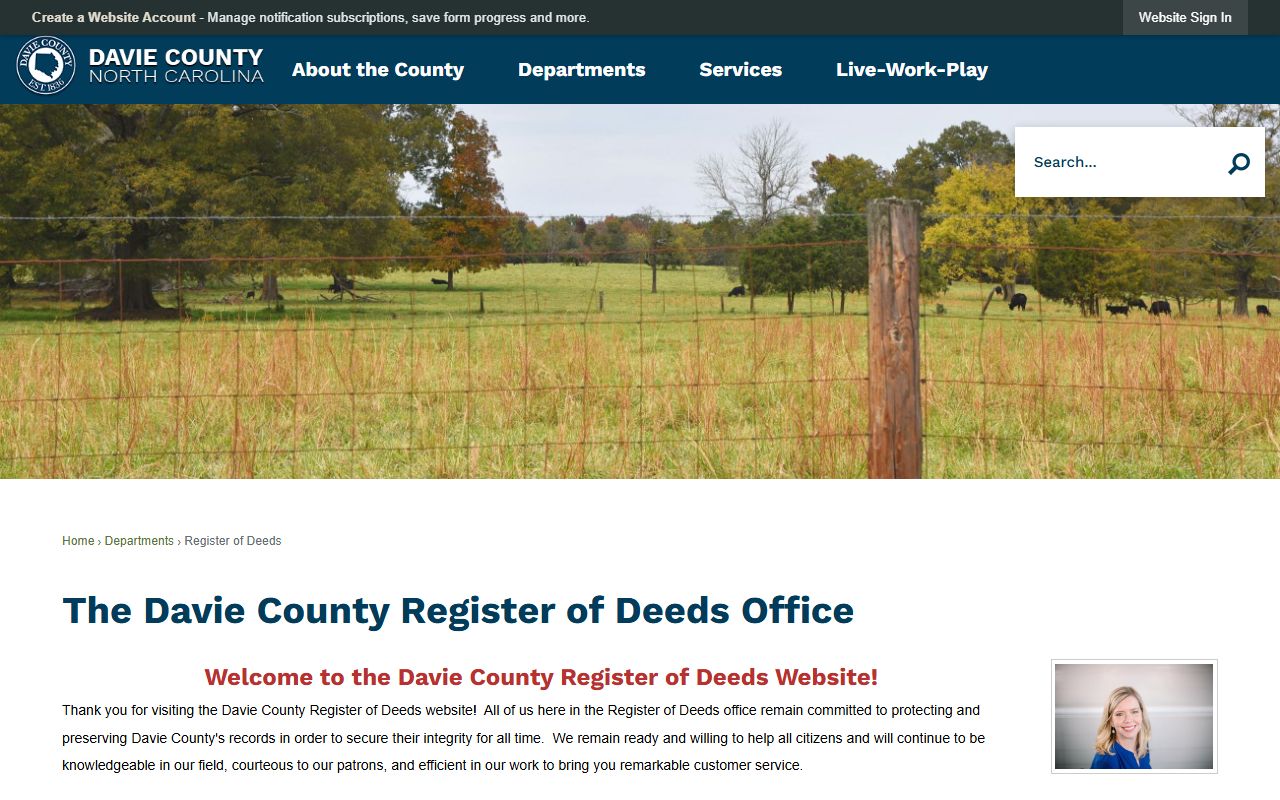
Davie County Register of Deeds
The Register of Deeds in Mocksville holds all genealogy records for Davie County. This office keeps marriage licenses, land deeds, and vital records. The courthouse sits on South Main Street. Staff can help you search for records and get copies.
Land records in Davie County reach back to 1792, well before the county was formed. These early deeds were copied from Rowan County books. Marriage records start in 1851. Court records date from 1834. Probate files begin in 1837. Birth and death records start in 1913 with statewide registration. The absence of courthouse fires means these records form an unbroken set.
| Office |
Davie County Register of Deeds 140 S. Main Street Mocksville, NC 27028 Phone: (336) 751-2513 |
|---|---|
| Hours | Monday through Friday, 8:00 AM to 5:00 PM |
| Website | daviecountync.gov/rod |
Davie County Genealogy Society
The Davie County Historical and Genealogical Society is an active group that supports family research. They collect and preserve records, publish research guides, and help people trace their Davie County roots. Their website at daviecountyhistory.org has information on their collections and events.
The society has compiled indexes to wills, deeds, and cemetery records for Davie County. These indexes make it faster to find specific names in large record sets. They also hold family files and photographs donated by local families. If you are new to Davie County research, reaching out to this group is a smart first step.
Members of the society have transcribed headstones from cemeteries across the county. These records include names, dates, and family plot layouts. Cemetery records are especially useful for the period before 1913, when North Carolina had no statewide birth and death registration.
Davie County Marriage Genealogy
Marriage records in Davie County begin in 1851. Early bonds name the groom and a bondsman. The bondsman was often a close relative of the bride. After 1868, licenses replaced bonds. Licenses include both names, ages, birthplaces, and parents' names. These details make them valuable for genealogy.
For marriages before 1851, check Rowan County records. Families who lived in the Davie County area before 1836 married under Rowan County authority. Rowan records go back much further and may hold the key to earlier generations.
Note: The Davie County Historical and Genealogical Society has indexed many local marriage records. Their indexes can save time when searching for specific names.
Land Records in Davie County
Land records in Davie County date from 1792. These early deeds cover grants and sales for land that would become part of Davie County when it split from Rowan in 1836. Grants name the person, acreage, and boundaries. Deeds track how land moved between families over time.
Davie County is rolling Piedmont farmland. Families held farms along creeks and the Yadkin River. A father might sell a tract to a son. A widow might divide her land among her children. These transactions show family ties that census records may miss.
The Register of Deeds indexes records by grantor and grantee. You can search by surname to trace every land transaction tied to a family across multiple generations.
Davie Probate Genealogy Records
Probate records in Davie County start in 1837. Wills name heirs and divide property. Estate inventories list livestock, farm tools, and household goods. Guardian bonds identify minor children. These files are essential for building family trees, especially for the 1800s.
Court records begin in 1834, two years before the county was officially formed. Early court minutes include land disputes, debt cases, and apprenticeship bonds. Apprenticeship records name the child, the master, and a parent. These sources help trace families with few other records.
Cooleemee Textile Genealogy
Cooleemee was home to a major textile mill that operated for over a century. The mill drew workers from farms across the Piedmont. Families who moved to Cooleemee for mill work appear in Davie County marriage records, deed books, and church rolls from the late 1800s forward.
Mill village records, company payrolls, and local church registers can help trace these families. The town of Cooleemee had its own schools and churches. Records from these institutions add depth to the genealogy of mill families in Davie County.
Birth and Death Records
Statewide birth and death records start in 1913. Davie County records from that year on are at the Register of Deeds or the state vital records office. For earlier vital events, church records, family Bibles, and cemetery inscriptions are the best sources.
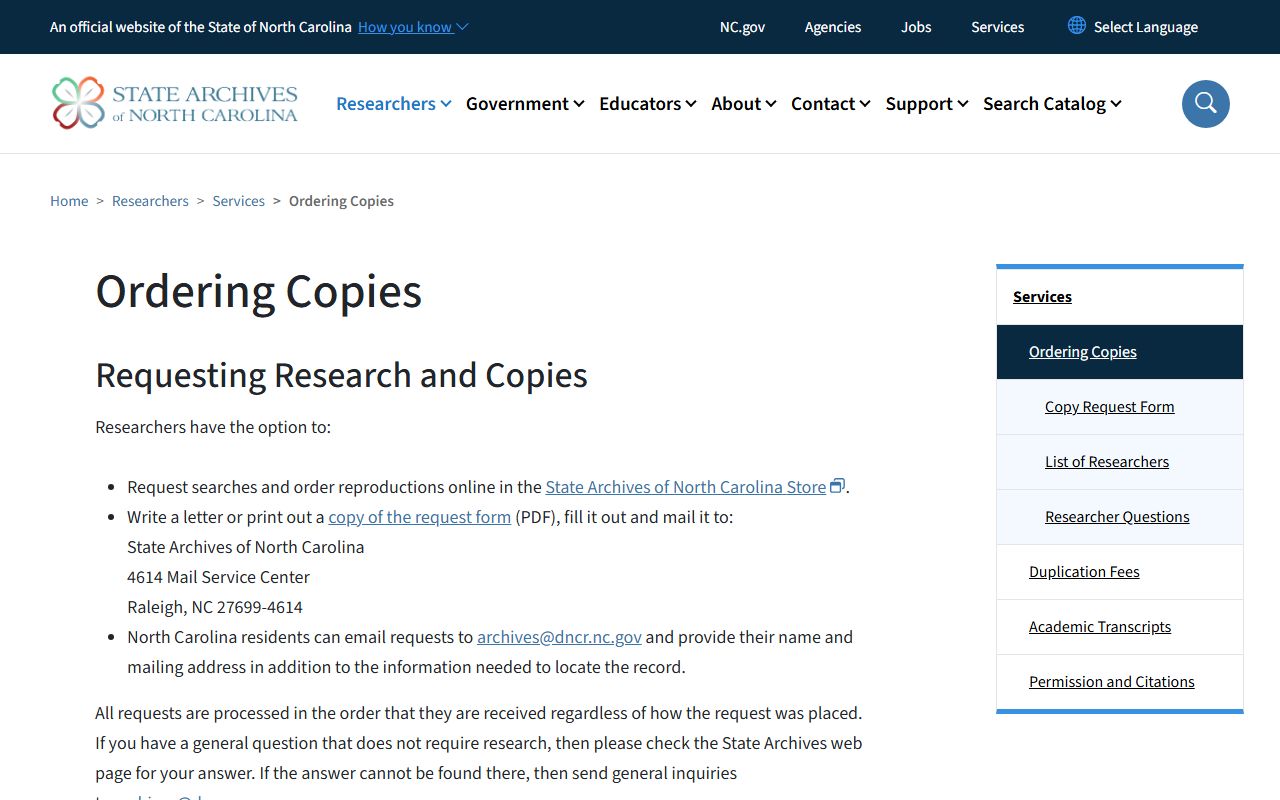
Order copies through the Register of Deeds in Mocksville or online at vitalrecords.nc.gov. The state office in Raleigh handles mail and online requests for certified records.
- Birth records from 1913 to present at Register of Deeds
- Death records from 1913 to present at Register of Deeds
- Church and cemetery records for earlier dates
- State vital records office for statewide requests
Davie County Genealogy Research Tips
Start at the DigitalNC portal for Davie County. This free resource has newspapers, photos, and documents from the county. Local papers published marriage and death notices that name family members and provide dates.
The North Carolina State Archives in Raleigh holds extra Davie County records. Tax lists name heads of household. Militia rolls list men of military age. Both types fill gaps between census years and help confirm who lived in the county at a given time.
Contact the Davie County Historical and Genealogical Society for local guidance. Their compiled indexes and family files can save hours of searching. They also know which records survive and where to find them.
Note: Always check Rowan County records for Davie County families before 1836. The land and people were part of Rowan for decades before the split.
Nearby Counties
These counties border Davie County. Ancestors near a county line may appear in records on either side. Check neighboring counties to extend your research beyond Davie.