
Union County Genealogy Records
Union County offers a rich collection of genealogy records for researchers tracing families in the southern Piedmont of North Carolina. Created in 1842 from parts of Anson and Mecklenburg counties, the county was named for the union of territory from those two parent counties. The county seat of Monroe was named for President James Monroe. Today Union County is one of the fastest-growing counties in North Carolina, but its historical records reach back to the agricultural communities that defined life here for generations. No major courthouse disasters have affected the records, giving researchers an intact collection from 1842 forward.
Union County Quick Facts
Union County Register of Deeds
The Union County Register of Deeds in Monroe is the central office for genealogy records in the county. Birth certificates are available from 1913, marriage records from 1842, and death certificates from 1913. Land and court records also begin in 1842, the year the county was formed. The office is located at 500 N. Main Street in Monroe and is open on weekdays for in-person research and record requests. Staff can assist with locating specific documents when you provide names and approximate dates.
Union County's record collection has not been damaged by fire, flood, or other disasters, so the records are complete from the county's formation. This is a considerable advantage for genealogy researchers who need to trace families through consecutive years without gaps. The earliest deed books and marriage registers show the families who settled the area during the 1840s, many of whom migrated from the surrounding Anson and Mecklenburg county areas. For records predating 1842, researchers should check those parent counties where their ancestors would have been recorded.
| Office |
Union County Register of Deeds 500 N. Main Street Monroe, NC 28112 Phone: 704-296-2800 |
|---|---|
| Records | Birth (1913), Marriage (1842), Death (1913), Land (1842), Court (1842) |
| Website | unioncountync.gov/departments/register-of-deeds |
Union County Court and Probate Records
Court records in Union County begin in 1842 and include probate files, civil cases, and criminal proceedings that contain a wealth of genealogical information. Probate records are often the most productive source for family history research. Wills name spouses, children, and sometimes grandchildren along with their respective inheritances. Estate inventories list personal property in detail, from farm equipment and livestock to household furnishings, giving researchers a window into the daily life of their ancestors in Union County.
Estate divisions are another important record type in the Union County probate files. When a landowner died without a will, the court divided the estate among the legal heirs. These division records list every heir by name and their share of the property. For genealogy researchers, a single estate division can identify an entire sibling group and confirm relationships that would otherwise require multiple records to establish. Guardianship files complement the probate records by documenting the care of orphaned children and the management of their inheritances until they reached adulthood.
Civil court records from the 1800s in Union County also provide useful genealogy information. Debt cases, land disputes, and contract disagreements all name local residents and often include details about their occupations, residences, and family connections. The Clerk of Superior Court in Monroe maintains these records and can assist with research inquiries.
Union County Historical Society and Heritage Room
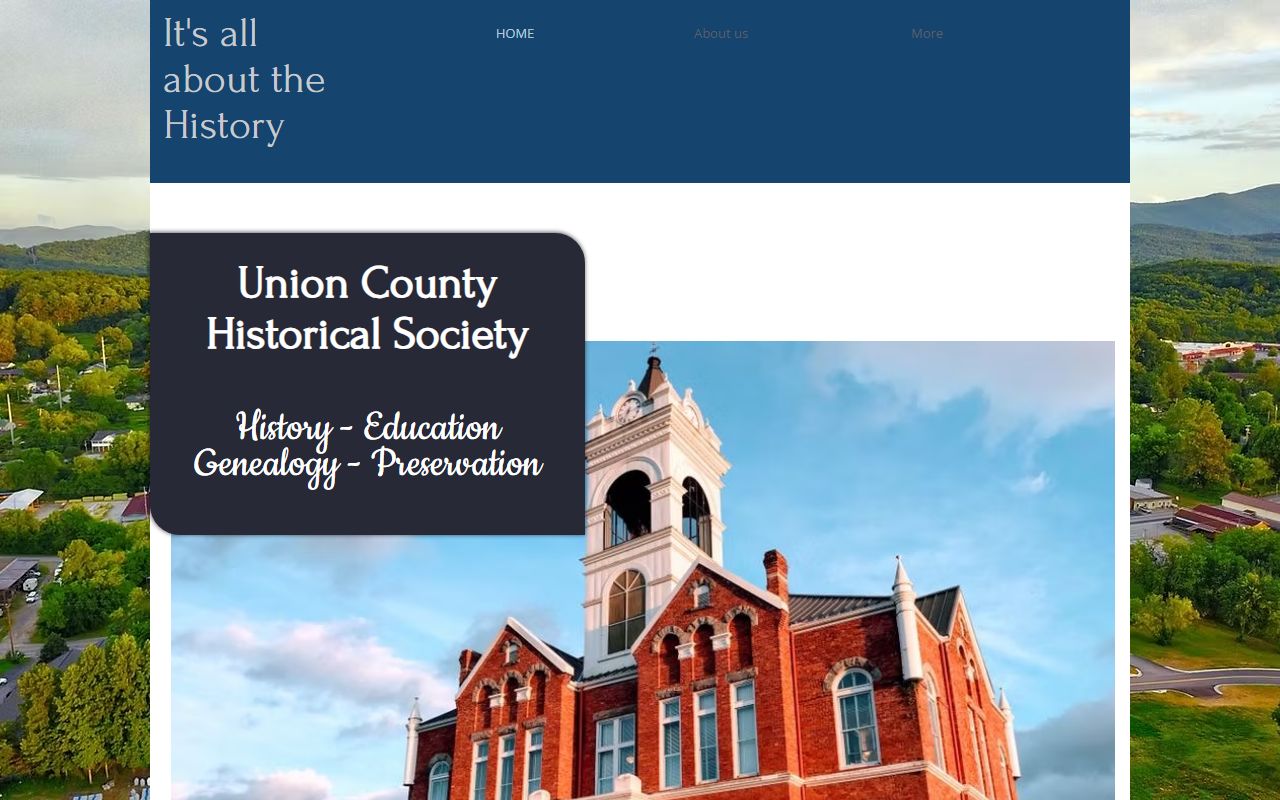
The Union County Historical Society is a key resource for genealogy research in the county. The society maintains a Heritage Room that houses family files, photographs, county histories, and other genealogy materials collected over many years. Researchers can visit the Heritage Room to access these materials and receive guidance from knowledgeable volunteers. The society also publishes historical and genealogical articles that shed light on Union County families and communities from the 1840s onward.
The Heritage Room collection includes church records from congregations across Union County. Baptist, Methodist, and Presbyterian churches were the dominant denominations in the southern Piedmont during the 1800s, and their records of baptisms, memberships, and burials fill gaps left by the absence of vital registration before 1913. Cemetery records compiled by society members document gravestone inscriptions from burial grounds throughout the county. These inscriptions provide birth dates, death dates, and family relationships that may not appear in any official county record.
Agricultural Heritage and Union County Families
Union County was an agricultural community for most of its history, and this heritage is reflected throughout the genealogy records. Cotton was the dominant crop from the county's formation through the early twentieth century, and the rhythms of planting and harvesting shaped community life. Tax records from the 1800s list farmers alongside their land acreage, livestock counts, and crop values. These tax lists effectively serve as annual directories of Union County residents and can help researchers track families from year to year between census counts.
The shift from small farms to larger operations during the late 1800s and the rise of textile mills in the early 1900s brought changes to family structures in Union County. Mill villages around Monroe and other towns drew workers from rural areas, and church records, city directories, and school enrollment lists document this transition. African American families in Union County faced particular challenges during the sharecropping era, and their records can be found in agricultural lien books, Freedmen's Bureau records, and the county court files that recorded labor contracts during Reconstruction.
Union County Marriage Records
Marriage records in Union County begin in 1842 and provide a continuous record of unions in the county from its founding. Early marriage bonds name the groom and a bondsman, who was frequently a father, brother, or uncle of the bride. The bondsman's identity is a valuable clue for identifying the bride's family. After 1868, when North Carolina transitioned to a marriage license system, the records become more detailed with ages, birthplaces, and parents' names included on the forms.
African American marriages in Union County are recorded starting in 1866. These post-Civil War marriage records sometimes note that the couple had been "living together" for a number of years, providing evidence of relationships that predated legal recognition. The Union County NCGenWeb page may have transcribed marriage indexes available online. For certified copies, contact the Register of Deeds in Monroe or the North Carolina Vital Records office for statewide records.
Birth and Death Records in Union County
Statewide registration of births and deaths in North Carolina began in October 1913, and Union County records follow this timeline. For events before that date, researchers must rely on alternative sources to document births and deaths. Church records are often the best substitute in Union County, as many congregations kept registers of baptisms and burials. Family Bible records are another common source, and some Bible records from Union County families have been transcribed and deposited with the Historical Society or shared through online genealogy databases.
Delayed birth certificates are an additional resource. Some Union County residents born before 1913 filed delayed certificates later in life, often to qualify for Social Security benefits or other government programs. These delayed filings typically include supporting documentation such as affidavits from relatives or neighbors, school records, or Bible entries. They can be found at the Register of Deeds office and provide birth details for individuals born decades before official registration began. Cemetery records throughout Union County also supply death dates and family information that compensate for the lack of death certificates before 1913.
Online Genealogy Research for Union County
The NCGenWeb project for Union County offers free genealogy resources including transcribed records, cemetery listings, and census indexes contributed by volunteers. This site is a good starting point for researchers who want to survey what is available before planning a trip to Monroe. Federal census records from 1850 through 1950 list Union County residents and are available through Ancestry and FamilySearch. The 1850 census is the first to name Union County as a separate entity, since the county was formed in 1842 after the 1840 census was already completed.
FamilySearch hosts digitized images of some Union County record books, allowing researchers to view original documents from anywhere with an internet connection. The North Carolina State Archives in Raleigh also holds Union County materials including early tax lists, military records, and county correspondence. For researchers who can travel, a visit to the State Archives provides access to microfilm and original documents that supplement the records available at the Union County courthouse.
The Union County Historical Society website provides information about their collections, events, and how to submit research queries. Their volunteers have extensive knowledge of local families and can sometimes point researchers toward sources they would not find on their own.
Union County Land Records
Land records in Union County begin in 1842 and trace property ownership across the rolling Piedmont landscape of the county. Deeds, grants, and plats document who owned land, when it changed hands, and under what circumstances. For genealogy purposes, these records are invaluable because land transactions frequently involve family members. Parents deeded land to children, siblings divided inherited property, and in-laws witnessed transactions. Each of these connections adds detail to a family tree.
The growth of Monroe as a commercial center in the late 1800s is documented in the deed books through town lot sales and business property transfers. Researchers tracing families who lived in Monroe can use these records to pinpoint where their ancestors lived and worked. Rural land records tell a different but equally important story, tracking the farming families who shaped the county's identity for generations. Tax records from the 1800s and early 1900s supplement the deed books by listing all property owners and their assessed values. The Register of Deeds in Monroe maintains the full collection and can provide copies for genealogy research.
Nearby Counties
Union County was formed from Anson and Mecklenburg counties in 1842. Researchers tracing families before that date should check those parent counties. Families near the county borders may also have records in neighboring counties.